

wire mesh glass panels
Plain v. Block A Comparative Study In the dynamic world of design, architecture, and aesthetics, the terms plain and block can evoke contrasting images and feelings. While both concepts invoke a sense of structure, they imply varying methodologies and philosophies behind art, architecture, and even lifestyle choices. This article aims to delve into the differences between plain and block structures, their implications in design, and how they resonate in our daily lives. Understanding 'Plain' The term plain refers to simplicity, clarity, and minimalism. In architectural and design terms, a plain structure is often characterized by smooth lines, a lack of intricate detailing, and a focus on functionality over embellishment. The beauty of plain design lies in its ability to communicate elegance without excess, allowing the essence of the materials and the space itself to shine through. Plain design can be found in various styles, such as minimalist architecture, which emphasizes open spaces, natural light, and a subdued color palette. This design philosophy mirrors a contemporary lifestyle—a retreat from the chaos and clutter that often defines modern living. Rooms adorned with plain furnishings and decor can create a serene atmosphere, promoting a sense of peace and tranquility. Moreover, in the realm of graphic design, a plain layout can enhance readability and user experience. Websites and apps that prioritize plain aesthetics often achieve higher engagement rates, as users find them intuitive and easy to navigate. The cleanliness of plain design helps eliminate distractions, allowing the viewer to focus on the content itself. Exploring 'Block' In contrast, the concept of block embodies structure, solidity, and often, an element of boldness. Block design can refer to the use of large, geometric forms that suggest strength and stability. Think of the robust nature of a block building, which utilizes concrete and steel to create an imposing presence. This approach is frequently applied in urban architecture where durability is essential, and aesthetics are secondary to function. plain v block In design, block can also refer to specific patterns, such as a checkerboard or mosaic, which provide an eye-catching visual appeal. Block patterns can convey a sense of dynamism and rhythm, drawing the viewer's eye and eliciting emotional responses. This juxtaposition of colors and shapes often serves as a form of artistic expression, challenging the norms set by the plain aesthetic. Block design is prevalent in various forms of art, from abstract paintings to modern sculpture, where the principles of geometry and symmetry take center stage. The use of bold colors and stark contrasts can create powerful visual statements, capturing attention and invoking deeper conversations about form, space, and meaning. The Intersection of Plain and Block While plain and block seem to occupy opposing ends of the design spectrum, they often intersect to create a harmonious balance in various projects. For instance, modern homes often incorporate both plain and block elements—a sleek, minimalist façade complemented by bold, blocky features such as cantilevered balconies or geometric garden designs. Moreover, in graphic design, a block layout might use plain typography for readability, striking the right balance between visual intrigue and clear communication. This interplay ensures that while a design may be visually striking, it remains functional and user-friendly. Conclusion The dialogue between plain and block exemplifies the diversity of expression in design and architecture. Each has its strengths and weaknesses, conveying different messages and catering to different needs. While plain design offers simplicity and a retreat from chaos, block design provides structure and a call to attention. Understanding these two contrasting concepts allows designers, architects, and even individuals to make informed choices that enhance the aesthetics of their space and resonate with their personal styles. Ultimately, whether one prefers the calm of plain or the boldness of block, both can coexist and complement one another, creating environments that are both beautiful and functional.
about
wire mesh glass panels
Building a Welding Table The Essential Guide Creating a dedicated welding table is a fundamental project for any welder. A good welding table not only provides a flat and stable surface for your projects but also enhances safety and efficiency in your work. In this article, we will guide you through the essential steps and considerations for making a welding table that meets your specific needs. Step 1 Planning Your Welding Table Before starting any construction work, it’s crucial to plan the design of your welding table. Consider the following factors 1. Size Determine the dimensions based on your typical projects. A standard size varies, but a good starting point is around 4 feet by 2 feet. If you often work on larger projects, you may need to increase the size. 2. Height The ideal height of a welding table should be comfortable for your working stance. Generally, it is around waist height. Some experienced welders prefer adjustable height tables for added versatility. 3. Material The tabletop material is critical. Common choices include steel and aluminum. Steel is more durable and can withstand higher temperatures, making it ideal for welding. Consider using a 1/4-inch or thicker steel plate for the top, as it prevents warping and provides a reliable surface. 4. Portability Decide whether you want a stationary table or a portable one on wheels. A mobile table can be advantageous for small workshops or when workspace is limited. Step 2 Gather Materials and Tools Once you have a design in mind, it’s time to gather your materials and tools. Here’s a basic list - Steel or aluminum sheet for the tabletop - Steel tubing for the frame and legs - Angle grinder - Welding machine - Metal clamps - Measuring tape - Safety gear (gloves, mask, apron) - Level Step 3 Constructing the Frame Start by building the frame of your welding table. Cut your steel tubing to the desired lengths for the table legs and support beams. A common design features a rectangular frame, with four legs at each corner for stability. 1. Weld the Frame Position the cut tubing pieces and use clamps to hold them in place. Tack weld the corners before fully welding to ensure everything is square. making a welding table 2. Add Cross Supports Strengthen the structure by adding cross supports beneath the tabletop. This will prevent sagging and increase the overall stability of the table. 3. Attach Legs Securely attach the legs to the corners of the frame. Ensure they are evenly spaced and square to provide a level working surface. Step 4 Attaching the Tabletop Once the frame is ready, it’s time to attach the tabletop 1. Place the Steel Plate Position the steel sheet on top of the frame. Ensure it overhangs evenly on all sides if that is part of your design. 2. Weld the Top Use even, consistent welds along the edges to secure the tabletop to the frame. Take care to prevent any warping by allowing the metal to cool as you work. Step 5 Finishing Touches After the welding is complete, you should consider a few finishing touches 1. Level the Table Use a level to check the surface. If needed, adjust the legs to ensure the table is perfectly flat. 2. Surface Treatment To prolong the life of your welding table, consider painting it with high-temperature paint or adding a rust-resistant coating. 3. Add Features Many welders enhance their tables with additional features like built-in clamps, storage for tools, or electrical outlets for equipment. Conclusion Making a welding table is a rewarding project that significantly boosts your welding capabilities. It not only provides a flat and sturdy surface but also helps keep your workspace organized and safe. By following these steps and carefully considering your needs, you can build a welding table that serves you well for years to come. Happy welding!
-

High quality industrial productsagement

High quality industrial products
View Details -

Meet the diverse needs of customers

Meet the diverse needs of customers
View Details -

Strict quality control

Strict quality control
View Details -

Top raw materials

Top raw materials
View Details -

Trusted supplier

Trusted supplier
View Details
Our application


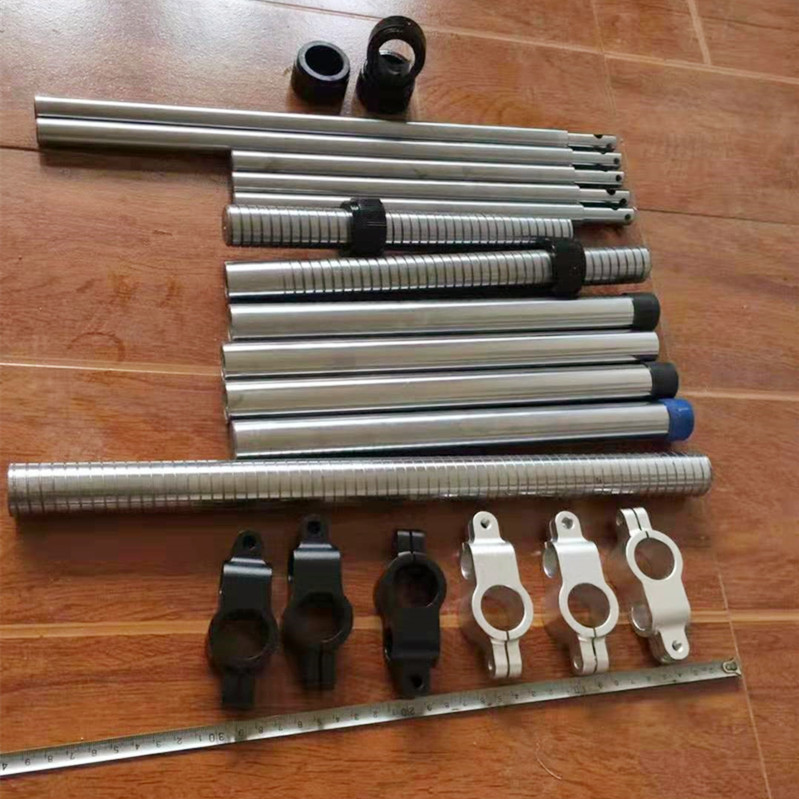
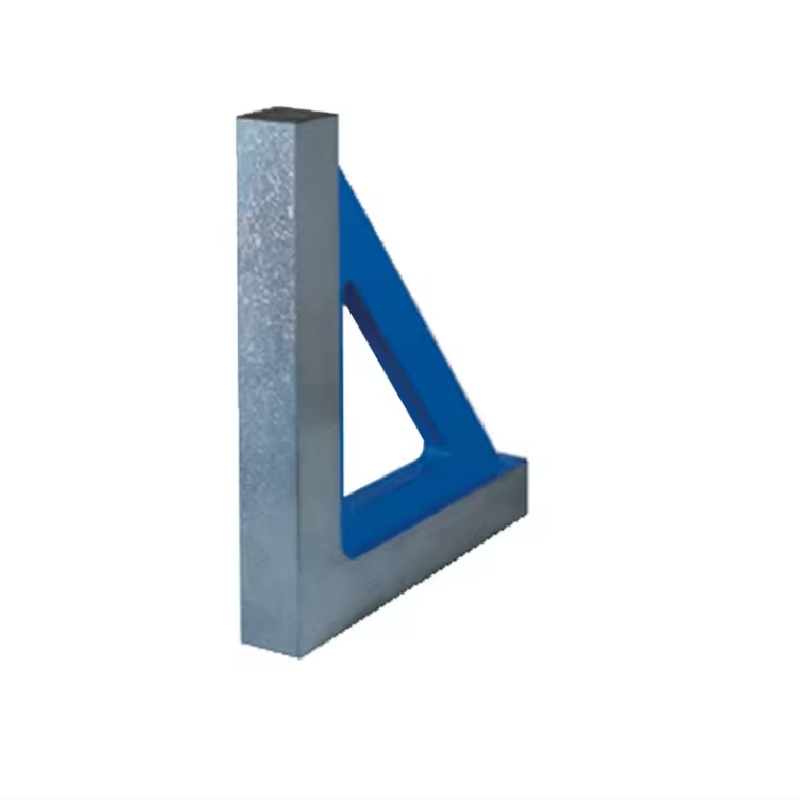
news and information

V Block--The Perfect Tool for Precision Machining
In the world of precision machining, having the right tools is essential for achieving accurate resu
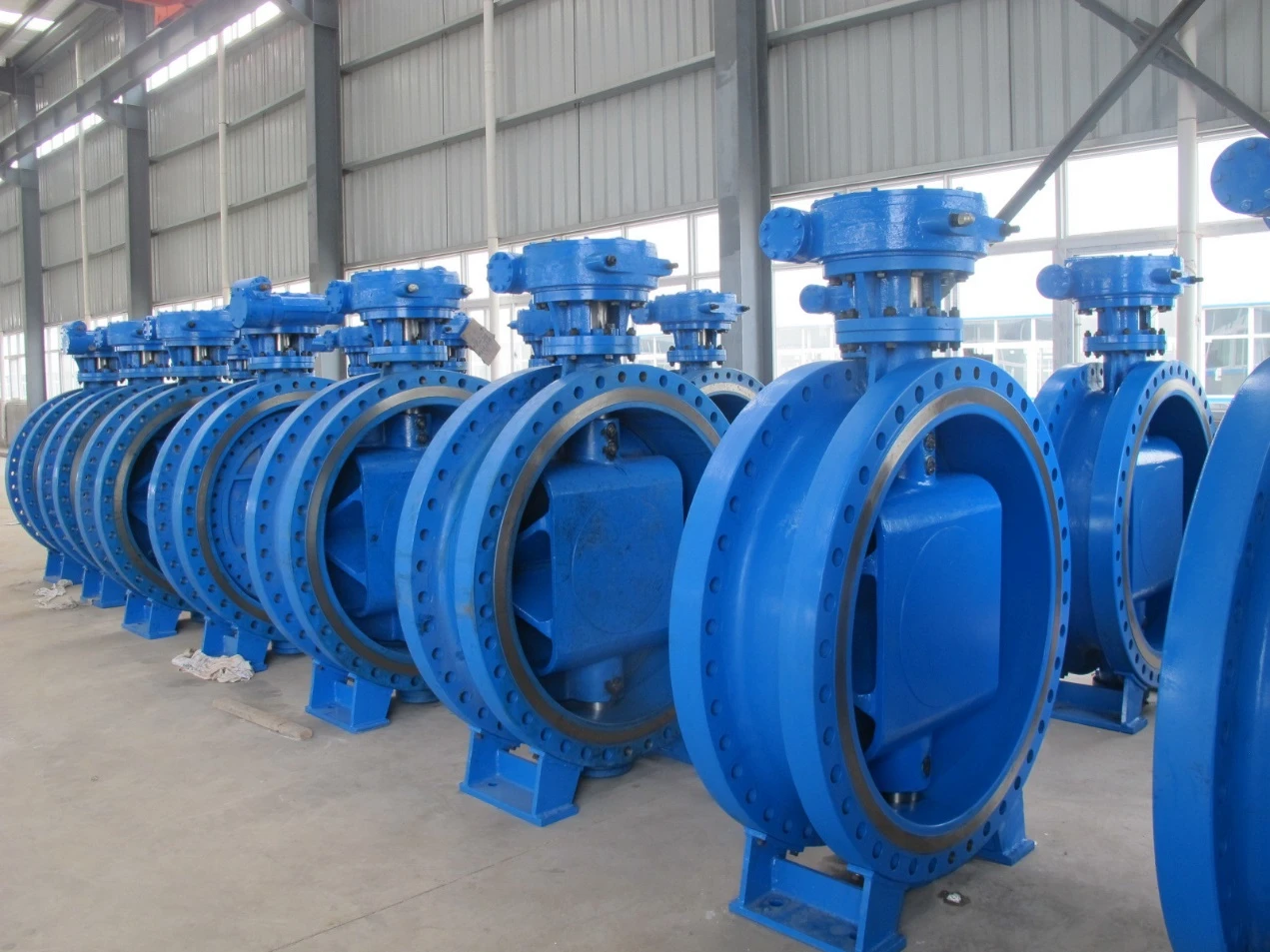
What is the Difference Between Butterfly Valve and Gate Valve
Butterfly valves and gate valves have significant differences in multiple aspects, mainly reflected
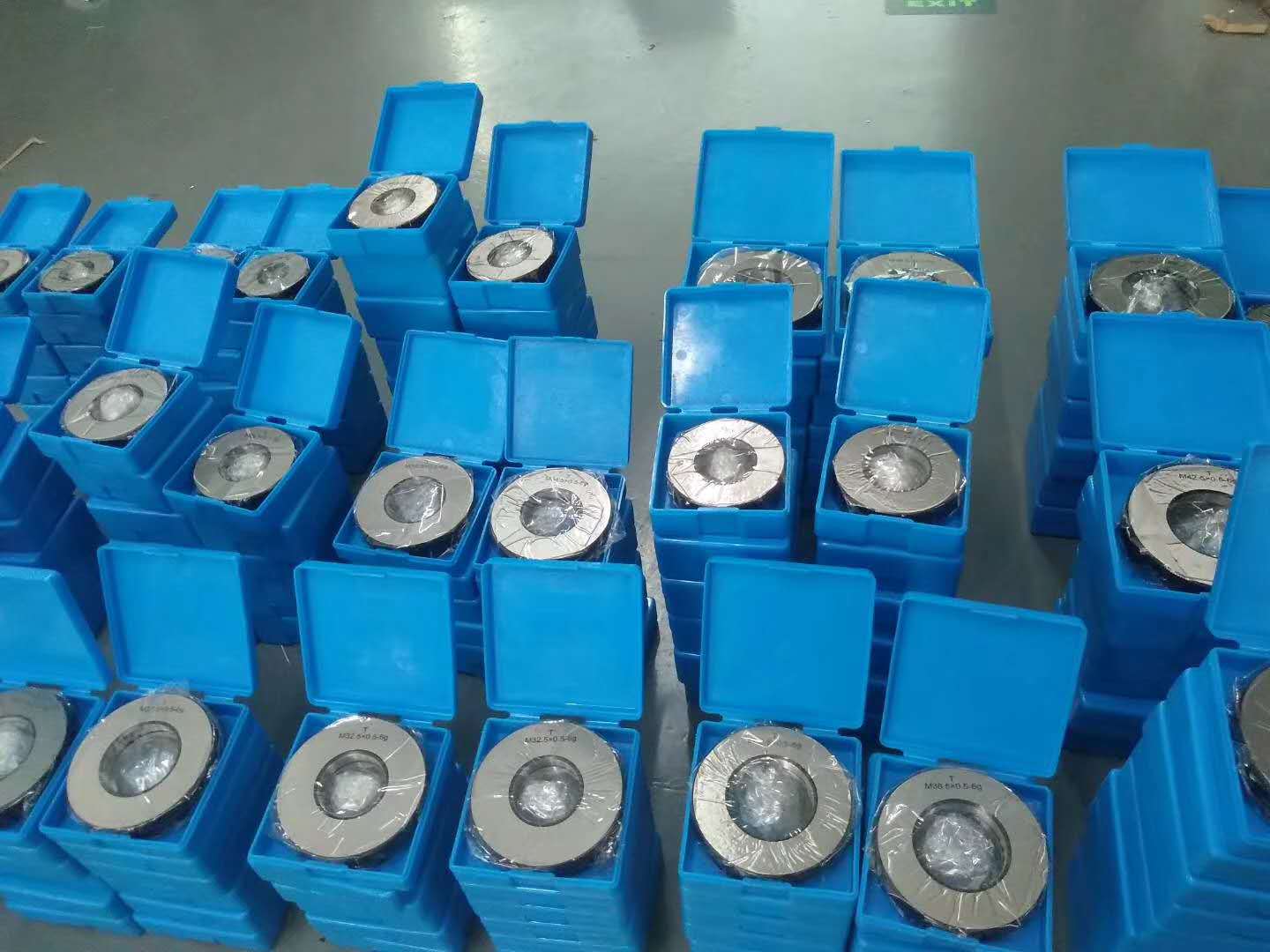
workbench fabrication table for efficient welding projects and workspace organization
The Importance of a Workbench Welding Table in Modern Fabrication In the realm of metalworking and f
 English